
The Great Cosmic Mystery: Where Are the Aliens?
“But the simple fact is that we have not yet found extraterrestrial life. If I had to guess—especially considering our long sequence of failed chauvinisms—I
“But the simple fact is that we have not yet found extraterrestrial life. If I had to guess—especially considering our long sequence of failed chauvinisms—I
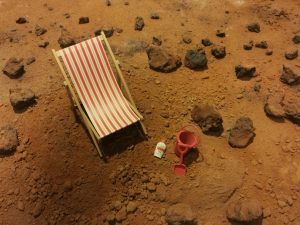
Mars won’t become a living world overnight. It won’t begin with oceans, forests, or blue skies. It will begin quietly— with machines. Before the first
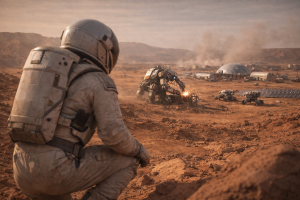
When humans finally step onto Mars, they won’t be arriving in an untouched wilderness. Mars is not a place of forests or oceans. It’s a
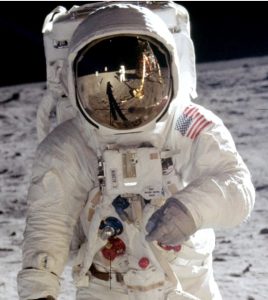
From Survival to System When Neil Armstrong stepped onto the Moon, his suit was survival. Layered fabric. Pressure bladders. Oxygen circulating through tubes. A backpack

The First Astronauts Weren’t Just Pilots — They Were Risk Takers Testing the Edge of Space Now that we’re beyond the edge of space, the

In the early 1900s, cities depended on elevator operators. You didn’t press a button. A person stood inside the elevator, pulled a lever, and manually
In the last post we were far from Earth. Out beyond the familiar planets. Past the orbit of Neptune. Drifting in silence with Voyager —
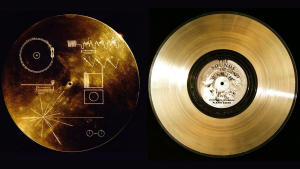
Why Voyager, the Moon, and music all rely on patience — and what that reveals about our future Music does not exist without time. A
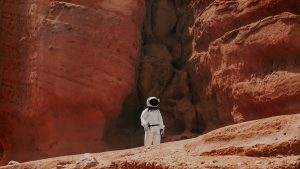
What time really is—and why understanding it matters for our future beyond Earth. There are a lot of things we all want to get done

A quiet change is happening in our relationship with technology. For the first time, progress isn’t demanding more effort from us — it’s giving time back.