In the early 1900s, cities depended on elevator operators.
You didn’t press a button. A person stood inside the elevator, pulled a lever, and manually stopped at each floor.
When automatic controls arrived, people feared job loss.
But elevators didn’t disappear.
Operators did.
And the world didn’t collapse. It reorganized.
That pattern matters.
Because it’s happening again.
From Screens to Space
For the last fifteen years, intelligence lived behind glass.
Apps.
Cloud dashboards.
Subscription software.
You don’t really buy software anymore. You subscribe to access them, or AI performs the task for you in the background.
Software is dissolving into automation.
Now that automation is stepping off the screen.
It’s becoming physical inside a robot.
This isn’t the end of technology.
It’s the relocation of technology — from pixels to presence.
The First Wave of Physical AI
Spot — Built by Boston Dynamics
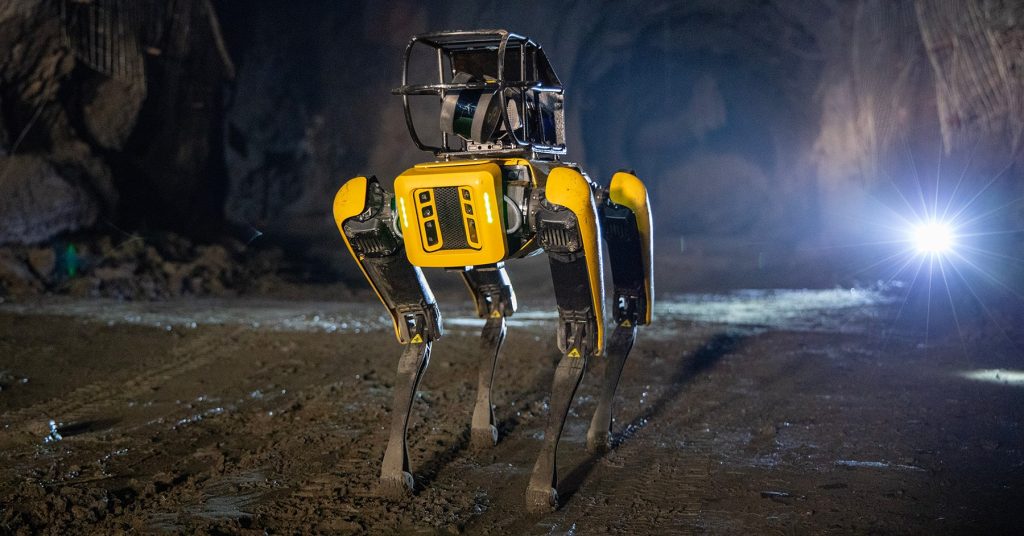
Spot navigates terrain too dangerous for humans — disaster zones, unstable construction sites, chemical plants. It’s like a bomb sniffing dog that doesn’t bark.
It inspects pipelines.
Maps hazardous environments.
Walks where we shouldn’t have to.
It doesn’t eliminate jobs.
It reduces risk and the possibility of death.
Atlas — Also Built by Boston Dynamics also helps prevent injuries too.
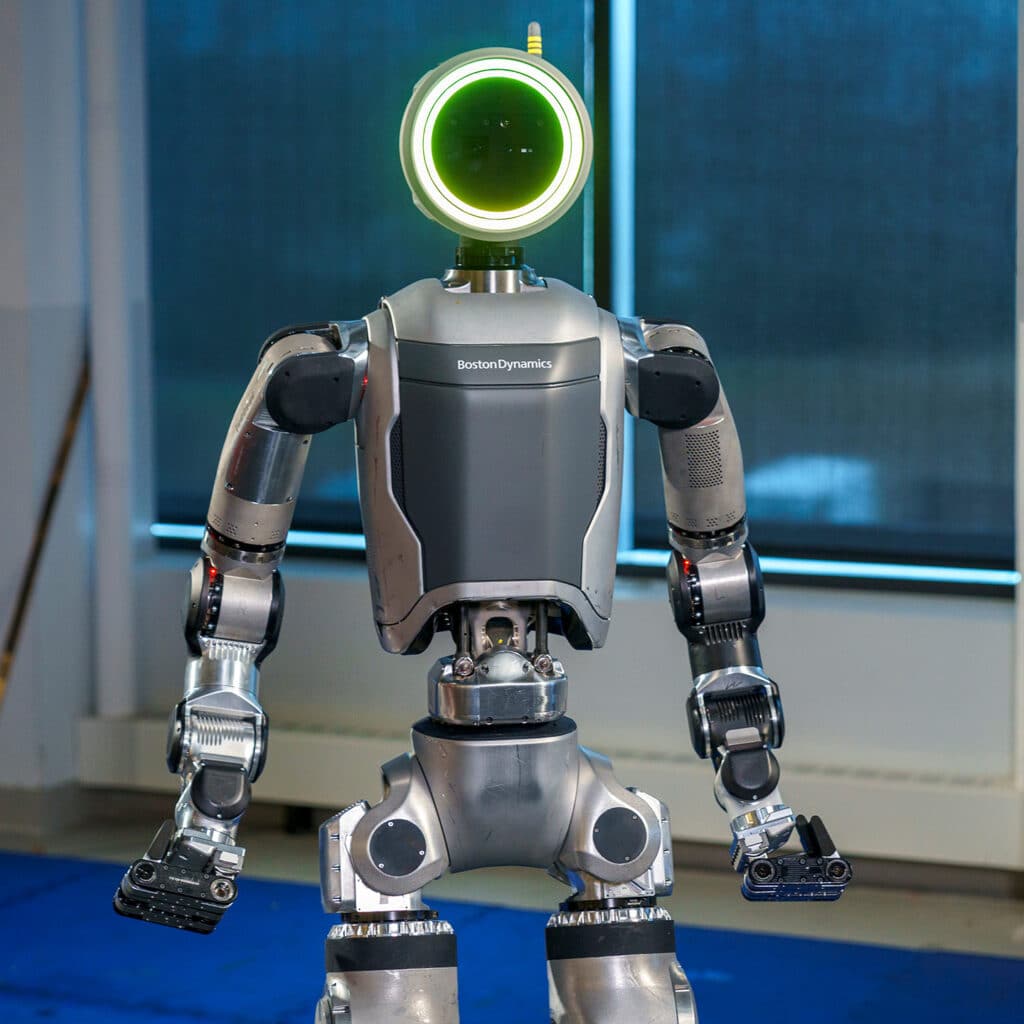
Atlas uses dynamic mobility combined with dexterity.
The newest electric version is designed for real industrial tasks — lifting, carrying, manipulating objects in spaces built for human workloads.
Atlas is proof that movement alone isn’t the goal.
Capability is.
Optimus — Built by Tesla
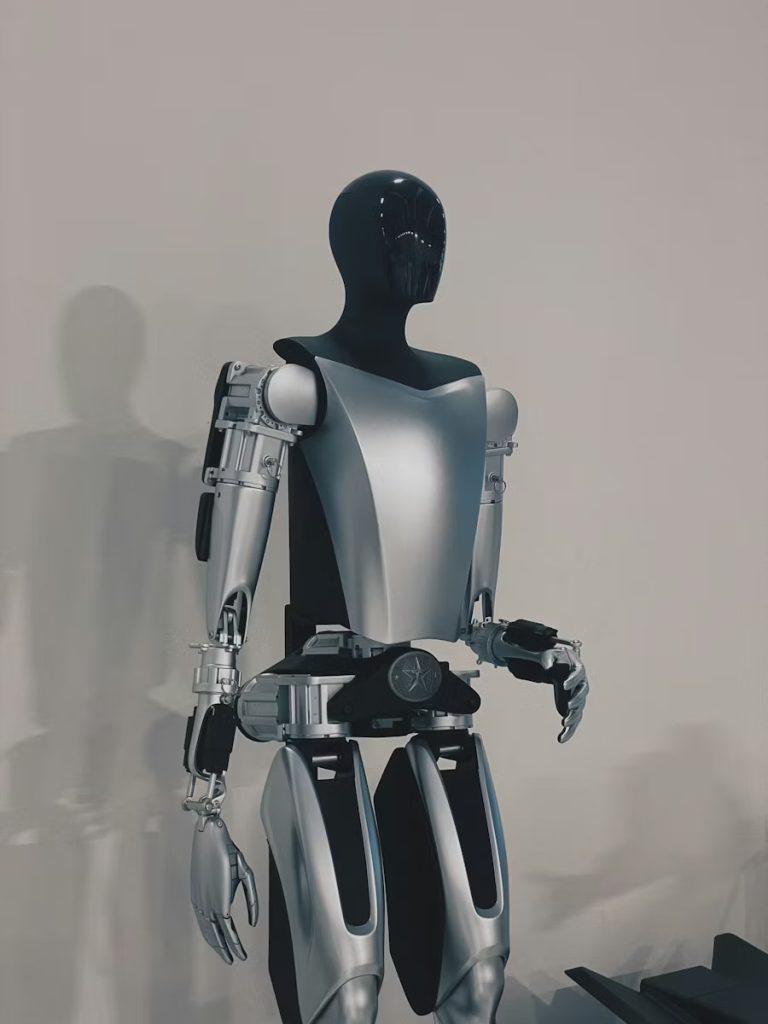
Optimus is designed to operate in the environments we already constructed — warehouses, factories, eventually homes.
Two arms. Two legs. Human-scale.
Not because that’s futuristic.
Because that’s practical.
Our shelves, tools, doorways, and stairs were designed for human bodies.
Optimus is intended to perform repetitive physical labor — sorting, lifting, transporting — the tasks most associated with strain injuries and burnout.
Digit — Built by Agility Robotics
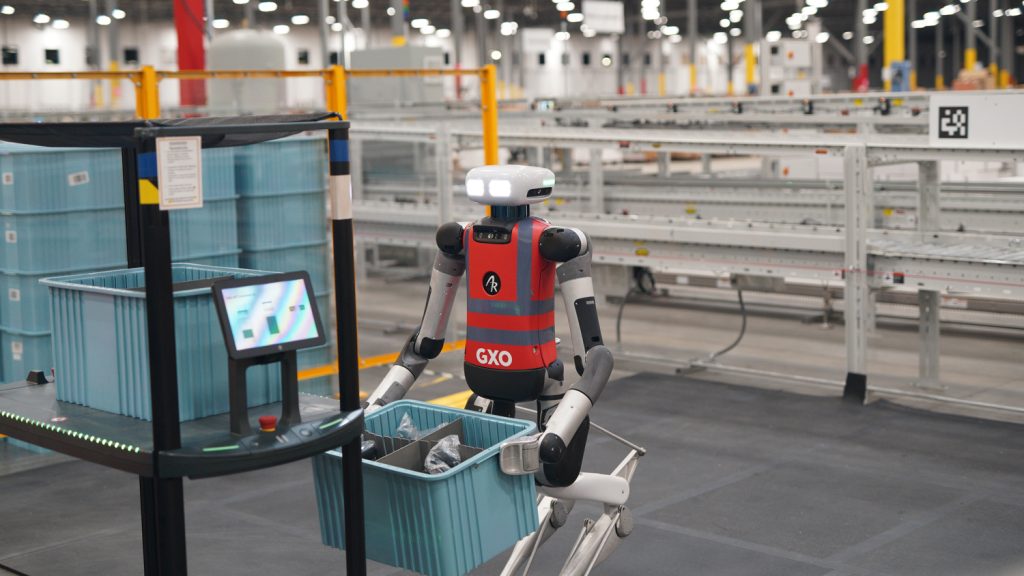
Digit walks on two legs because the world was designed for two legs.
But Digit does more than walk.
It lifts totes.
Moves packages.
Balances under load.
Operates in live warehouse environments.
It is not a prototype.
It is already working.
This Is Operational, Not Experimental
Amazon plans to continue to deploy hundreds of thousands of robotic systems across its fulfillment network.
Warehouses are now hybrid systems.
Machines handle repetitive transport and sorting.
Humans manage oversight, troubleshooting, coordination.
This is not science fiction.
It is infrastructure.
And yes, some roles will evolve.
But consider the alternative.
Repetitive back injuries.
Long shifts of constant lifting.
High physical strain.
Physical AI doesn’t eliminate effort.
It redistributes it.
We’ve Seen This Before
Switchboard operators once manually connected every phone call.
Ice cutters harvested frozen lakes before refrigeration.
Typists transcribed handwritten manuscripts before word processors.
These jobs felt permanent — until they weren’t.
Technology didn’t eliminate communication, cooling, or writing.
It changed the structure of labor.
It moved human effort upward — from manual repetition to system-level coordination.
Farming didn’t disappear with tractors.
It scaled and became more precise.
Robots on farms now plant, harvest, and monitor soil with accuracy no human can sustain alone.
The pattern is not extinction.
It is transition.
The Scale of Transition
What makes this moment different from past automation waves is scale.
Amazon isn’t testing a few machines in a lab.
It operates one of the largest robotic fleets in the world — hundreds of thousands of robotic drive units moving inventory inside fulfillment centers.
Robotics there don’t just replace motion.
They optimize flow.
Shelves come to workers instead of workers walking miles per shift.
Sorting becomes faster.
Data becomes real-time.
Error rates shrink.
And this is only version one.
As physical AI improves — perception, balance, dexterity — more tasks shift from strain-heavy repetition to supervised automation.
Not because humans are incapable.
Because scale demands consistency.
And consistency is what machines do best.
Beyond Warehouses
Now expand the lens.
Imagine:
Construction sites where autonomous machines handle repetitive lifting.
Disaster zones where quadrupeds scout unstable terrain before first responders enter.
Agriculture where robotic systems monitor soil, plant, and harvest with centimeter precision.
Not to remove humans.
To reduce harm.
To increase output.
To allow human effort to concentrate where judgment matters.
Physical AI isn’t about replacing farmers, builders, or technicians.
It’s about extending their reach.
Just as power tools extended muscle.
Just as software extended cognition.
The Long Arc
Space exploration will demand this transition.
Before humans establish permanent settlements beyond Earth, machines will prepare the ground.
Robotic systems will assemble infrastructure.
Lay power systems.
Test environments.
Reduce risk.
We are learning on Earth what we will eventually deploy elsewhere.
The same intelligence that sorts packages today may one day construct habitats on another world.
That’s the arc.
From warehouse floor to planetary surface.
And every iteration in between teaches us how to build safer systems here.
The Deeper Shift
The fear of robots assumes replacement.
But these machines are narrow specialists.
They don’t dream.
They don’t strategize.
They don’t imagine futures.
They execute defined tasks.
If physical execution becomes automated at scale, what expands?
Human time.
Time for:
• Creativity
• Research
• Design
• Caregiving
• Exploration
• Education
• Strengthening families
• Solving planetary challenges
If intelligence now occupies space — lifting, carrying, navigating — human intelligence can move further into meaning.
The Real Question
We moved from manual labor to mechanical assistance.
From mechanical assistance to digital automation.
Now from digital automation to embodied intelligence.
Not because humans are obsolete.
Because we keep building tools that extend us.
Spot.
Atlas.
Optimus.
Digit.
These are early drafts of intelligence that occupies space.
They are not the final form.
They are the first generation of something transitional.
Like automated elevators once were.
The question isn’t whether robots will takeover.
They already do.
The question is what we choose to build with the freedom they create.
Robots may not replace humanity.
They may unlock more human potential than any app ever did.